Modern handhelds are getting chonky. Let's dive into the Reddit drama to see why devices like the Steam Deck are so massive and the technical reasons behind it.
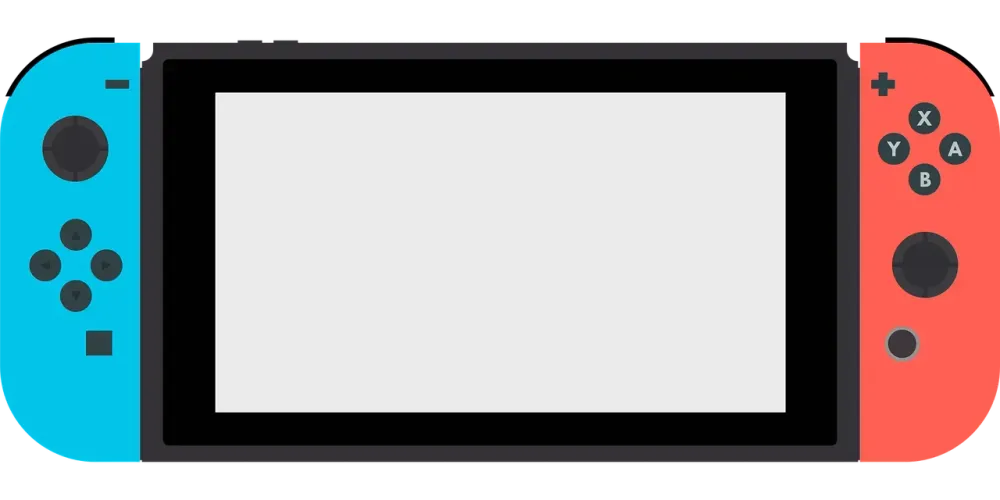



Have you ever played on a Steam Deck or ROG Ally for a couple of hours and felt like you just finished an intense forearm workout at the gym? But then, if you go back and try playing on an OG Gameboy, your thumbs cramp up to the point of arthritis.
Recently, a Reddit user sparked a fiery debate by bringing up "The enbiggening of handhelds". Let's grab some popcorn and see how gamers and devs are tearing each other apart over form factors.
The Original Poster (OP) complained that modern handhelds have become huge and cumbersome. However, they also noted that smaller retro devices literally destroy your fingers during extended play sessions.
Then came the ultimate curveball: OP claimed that the Wii U controller struck the perfect balance and that modern handhelds could learn a thing or two from it.
Wait, what? The gamepad from a dead console is the holy grail of handhelds? Naturally, the gaming community wasn't about to let that slide.
The comment section quickly turned into a battlefield, split into a few distinct camps:
1. The Nostalgia Tryhards Many players reminisced about clamshell devices like the Nintendo DS/3DS and Gameboy SP. The form factor was peak: fold it up, protect the screen, slide it into your pocket, and stealth-game at school or work. The only fatal flaw? The analog sticks were tiny enough to give you calluses.
2. The Fact Checkers A lot of folks immediately called OP out on their BS: "Bro, you're literally cherry-picking handhelds out of release order to fit your narrative." Throwing the Wii U gamepad into a handheld comparison is wild copium. It wasn't even a standalone console; it was literally just a screen tethered to a base unit.
3. The Logic Chads Here is where the real big-brain analysis happened. Why are handhelds the size of dinner plates now? One word: Smartphones.
Back in the PSP/NDS era, if you wanted to game on the go, you needed a dedicated handheld console. Mobile games back then were basically just Snake and Tetris. Today? Your phone can natively run Hitman. Modern phones can handle gacha, farming, and light P2W games flawlessly.
To survive, handhelds had to evolve. They couldn't just offer bite-sized experiences anymore. They had to pack enough hardware to run AAA games and act as a bridge between the portable and home console markets (docking to TVs like the Switch or Steam Deck). You want AAA games at 60FPS? You're gonna need a giant battery and a massive cooling system.
Let's be real—don't flame the hardware engineers. From a dev and engineering standpoint, you can't defy the laws of physics.
You want a device as sleek as an iPhone but with an APU capable of running Cyberpunk 2077 on high settings? Oh, and you want 5 hours of battery life? Sorry, thermal throttling exists. If someone actually built that, it would melt a hole in your hands within 10 minutes.
It's all about trade-offs. You either stick to retro/indie gaming on tiny emulation devices, or you accept the chonky reality of the Steam Deck. Or, if you're too lazy to carry heavy gear but still want to tryhard online games, just use cloud gaming and maybe grab a game booster designed to reduce game ping to avoid lagging out. Hell, you can even use Free $300 to test VPS on Vultr to spin up your own game server.
TL;DR: The form-factor war is far from over. Until engineers invent some magical new thermal superconductor, you better start doing wrist curls to prep for the next gen of handhelds. GG!
