Tired of wrestling with 10 different wearable APIs? Open Wearables just dropped: open-source, self-hosted, and revealing the truth behind health scores.
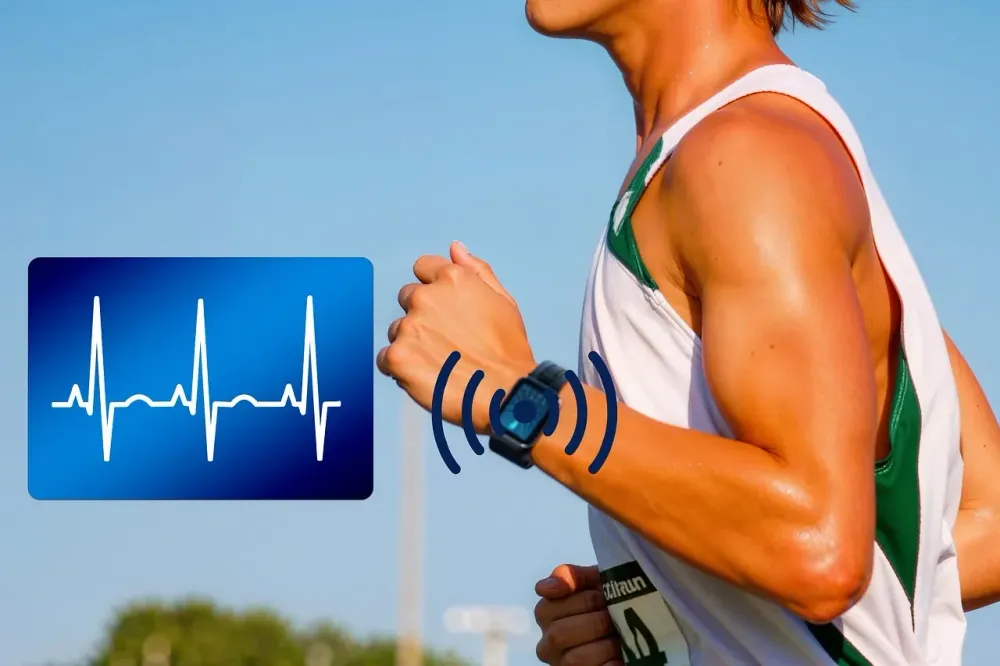
Sup nerds, when you look at your smartwatch's "Recovery Score" or "Body Battery" in the morning, do you ever wonder if it's just a random number generated by a heavily caffeinated intern? We've been blindly trusting these black-box metrics for years. Today, a spicy new project dropped on Product Hunt called Open Wearables, and it’s here to nuke that exact problem while saving devs from the nightmare of endless API integrations.
Here’s the deal. The folks at Momentum (flexing 130+ engineers and a decade of shipping healthtech) got sick of rebuilding the same infrastructure. Every time you build a fitness app, you have to wrestle with Oura, Garmin, Whoop, and Apple Health. Each has its own API, its own quirky schema, and its own special way of making you want to flip your desk.
So, they open-sourced their entire stack. Open Wearables isn't just an API aggregator; it's an MIT-licensed, open-source health intelligence layer:
The project bagged over 500 upvotes, and the comment section was an absolute goldmine of dev opinions. Here’s how the community is splitting:
The "Holy Shit, I'm Blind" Camp: One user confessed: "I've been looking at my HRV score every morning for two years and just... trusting it. Never questioned what's actually being weighted." It’s wild how normalized black-box metrics have become. The fact that Open Wearables makes the scoring logic auditable blew people's minds.
The Pragmatic Skeptics: Someone asked the real question: "How do you handle Android/OEMs changing schemas or tightening API permissions? Cross-device tracking is notoriously fragile." The CEO clapped back: The architecture is modular from day one. If an API deprecates, you just swap that specific module without breaking the whole system. Plus, Google Health Connect absorbs most of the OEM-level schema chaos on Android.
The Privacy Bros: For many, the self-hosted angle is the MVP feature. Health data is highly sensitive. Storing your heart rate and sleep patterns on your own infrastructure instead of feeding it to Big Tech's cloud is a massive win.
The "Auditable by Who?" Squad: A valid point was raised: Does "auditable" mean a clinician can read it, or is it just Python code that only neckbeards understand? The answer: The formulas and thresholds are readable by domain experts, but editing it still requires a dev.
For too long, personal health data has been hoarded by tech giants, only drip-fed back to us through crappy APIs and wrapped in proprietary, magical scoring algorithms. Open Wearables hits two massive dev pain points: 1) We are fundamentally lazy and hate writing 10 different API integrations, and 2) We love owning our data.
If you're building a fitness app, an AI coaching tool, or just want a badass personal dashboard to track your gains, this repo is an instant star. Clone it, break it, and have fun this weekend.