Microsoft officially open sources Comic Chat, the iconic 1996 IRC client that turned chat messages into dynamic comic strips. Let's look at this retro goldmine!


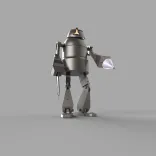




Microsoft is digging up some serious internet fossils, folks. Long before Discord or Slack became the default watercoolers for tech drama, people back in the mid-90s were gossiping on IRC as literal comic book characters. Yes, the legendary Microsoft Comic Chat has officially been open-sourced!
To Gen Z devs, this probably sounds like some ancient alien technology. But to boomer and millennial devs who grew up with 56Kbps dial-up, this is a beautiful blast from the past when the internet was still weird, wild, and incredibly creative.
Let’s do a quick history lesson for those who weren't around yet. Released in 1996 alongside Internet Explorer 3.0, Comic Chat (later Windows Comic Chat) did something wild: instead of displaying dry, boring text lines like IRC clients usually did, it rendered chat rooms as dynamic 2D comic strip panels.
Its secret sauce was a clever heuristic algorithm. Based on the words you typed and your chosen emotion, the engine automatically determined character expressions, camera angles, and panel transitions like a professional comic artist. If you typed in ALL CAPS or added an angry emotion, your panel would literally display lightning bolts and dramatic action lines.
After almost three decades in Redmond's graveyard, Microsoft has finally decided to release this ancient C++ codebase to the public under an open-source license. The rendering engine, text-to-panel logic, and original art assets are now sitting on GitHub, waiting for retro enthusiasts to dissect them.
The announcement immediately set Hacker News and Reddit on fire, with reactions split into a few hilarious camps:
At the end of the day, open-sourcing a piece of software from 1996 isn't just a fun nostalgia trip—it’s a masterclass in pragmatic software engineering.
Look at our modern stack. Today, we build a simple chat app, wrap it in Electron, and suddenly it gobbles up 2GB of RAM just to idle in the background. Meanwhile, the wizards of 1996 built a fully functional dynamic comic strip generator that ran flawlessly on single-digit Megabytes of memory over a sluggish connection.
Sometimes, looking backward at legacy source code teaches us more about clean architecture and optimization than chasing the latest bloated JavaScript framework of the week. Who knows? Maybe some clever indie hacker will fork this, build a modern privacy-focused retro chat app, and make a fortune.
What do you think about Microsoft's retro move? Are you brave enough to clone the repo and compile some vintage C++ code? Let us know in the comments!
